
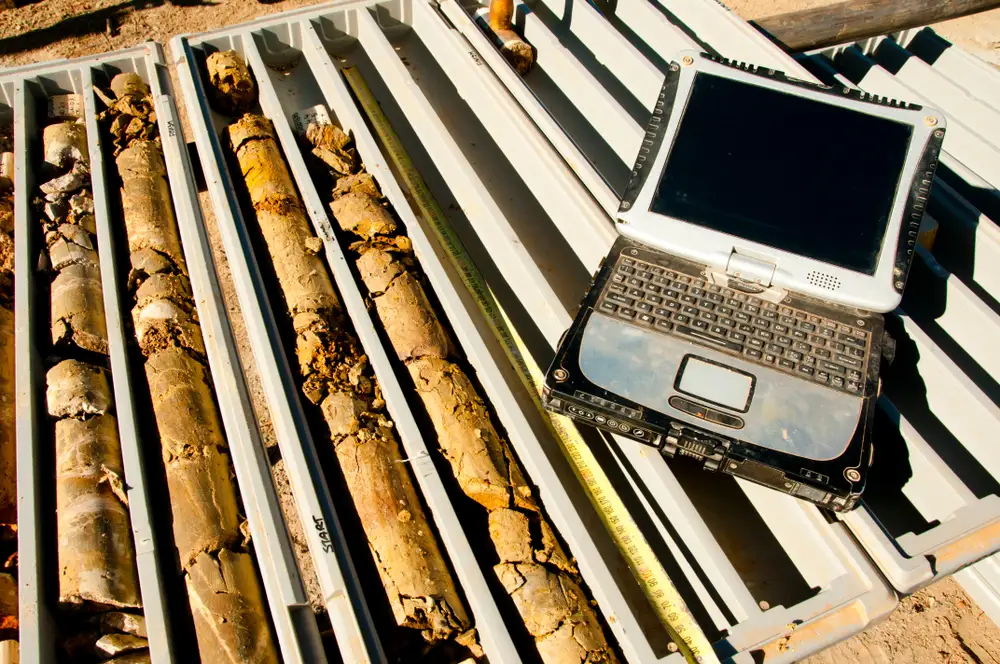
About Our Soil Testing Service
Soil testing is an important process used to determine the physical and engineering properties of soil before starting any construction project. By analyzing soil composition, strength, density, and moisture content, engineers can understand how the ground will support a structure. Proper soil investigation helps prevent foundation failure and ensures the safety and stability of buildings, bridges, and other infrastructure projects.
Professional soil testing services involve collecting soil samples from the site and performing laboratory analysis to evaluate soil behavior under different conditions. In addition to construction-related testing, soil investigations can also help identify underground geological formations and subsurface conditions, including the potential presence of natural resources such as fuel deposits, oil traces, or other underground materials.
These soil analysis results help engineers design the appropriate foundation system, select suitable construction methods, and ensure long-term structural stability for residential, commercial, and industrial developments.
Why choose us
Our soil testing services help engineers and developers understand ground conditions before construction begins. Through detailed soil investigation and analysis, we provide accurate data that supports safe and stable foundation design.
Expertise
Our experienced team performs detailed soil investigations to provide accurate and reliable testing results for construction projects.
Testing Methods
We use advanced equipment and industry-standard testing procedures to analyze soil properties effectively.
Reliable Data
Our soil testing reports help engineers and builders make informed decisions when designing foundations.
Quality & Accuracy
We follow professional standards to deliver precise soil analysis and dependable testing services.
Services offered
-
Soil Investigation :
We conduct detailed soil investigations to determine soil composition, strength, and ground conditions before construction. -
Soil Sampling:
Soil samples are collected from different depths at the construction site to analyze soil layers and properties. -
Laboratory Soil Testing:
Collected samples are tested in laboratories to evaluate soil parameters such as moisture content, density, and bearing capacity. -
Foundation Analysis Support:
Our soil testing results help engineers design safe foundations and select the correct construction techniques.
Popular questions
What is soil testing in construction?
Soil testing is the process of analyzing soil properties to determine its strength, composition, and ability to support structures.
Why is soil testing important before construction?
Soil testing helps engineers design safe foundations and prevents structural problems caused by weak or unstable soil.
What information does soil testing provide?
Soil testing provides information about soil strength, density, moisture content, and load-bearing capacity.
How is soil testing performed?
Soil samples are collected from the site and tested using laboratory equipment to evaluate soil characteristics.
What types of projects require soil testing?
Soil testing is required for residential buildings, commercial projects, bridges, roads, and large infrastructure developments.
How long does soil testing take?
The duration depends on the number of samples and tests required, but most soil investigations are completed within a few days.